What “canopy penetration” means
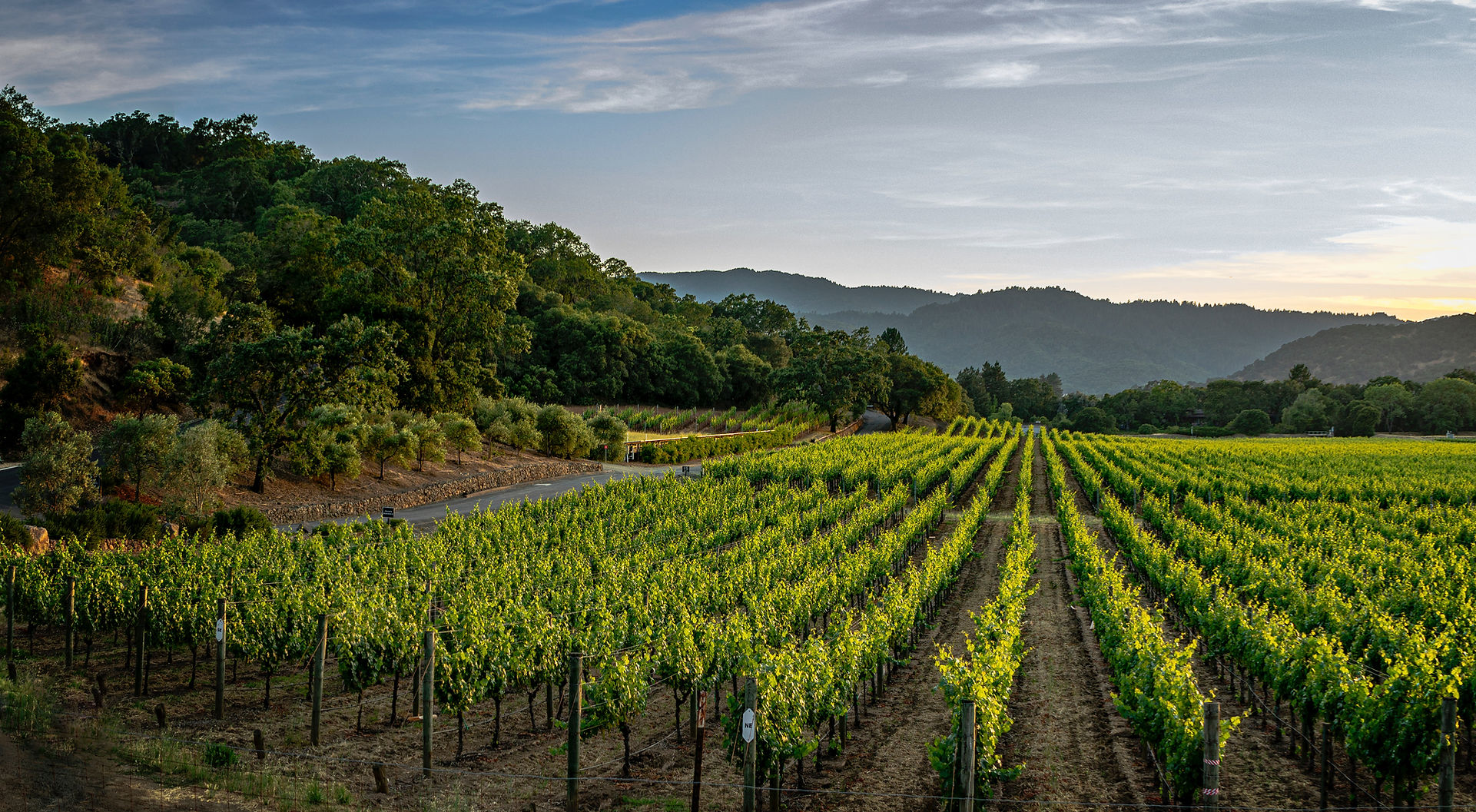
In orchards and vineyards, pests and disease pressure often live inside the canopy. True “coverage” means deposition reaches the target zone (inner leaves, fruiting wood, and shaded surfaces) while still respecting drift risk and label requirements.
Bottom line:A good orchard application is not only about speed. It's about droplet behavior, airflow, and timing.
Complex geometry
Tall canopies, gaps, and rows require consistent placement through varying density.
Airflow matters
Air movement can carry droplets deeper, but only when conditions and technique are right.
Droplet formation
Different nozzle systems create different droplet spectra that behave differently in the canopy.
Drift management
Proper planning balances deposition and safety, especially near sensitive areas.
The mechanics (in plain English)
Droplets + airflow = better chances of reaching the target
1) Centrifugal (rotary) atomization
Many orchard-capable setups use rotary/centrifugal atomization to create a consistent droplet pattern. In simple terms, liquid is spread into droplets by a spinning element, producing a fine mist-like spectrum that can be useful for canopy work, when used responsibly.
The goal is not “more drift.” The goal is controlled droplet formation paired with careful conditions.
2) Propeller downwash
Drone rotors create downward airflow (downwash). In orchards, that airflow can help move droplets into the canopy, improving the odds that deposition reaches inner surfaces. Think of it as using airflow to “push” droplets toward the target zone.
This only works when flights are planned for canopy structure and weather. Poor conditions can increase drift risk.
In the air
Penetration in practice
This clip shows what we mean by combining droplet behavior with rotor airflow. The goal is to improve the chance that droplets reach deeper targets inside a canopy, not just the top surface.
What to watch for
- Air movement: rotor airflow pushes into the canopy and helps carry droplets inward.
- Deposition behavior: fine droplets can ride airflow and reach shaded inner zones when conditions are right.
- Why timing matters: wind, canopy density, and crop stage change the outcome.
Note: visuals are for concept illustration. Actual application planning must follow label directions and site-specific drift considerations.
Practical constraints we plan around
- Weather and drift risk: wind speed/direction, temperature inversions, humidity, and nearby sensitive areas.
- Label requirements: rates, spray volume guidance, buffer zones, and any specific application restrictions.
- Canopy stage: density changes what “good coverage” even means.
- Verification: we aim for documentation that helps you track what happened and plan the next pass.